Retrofit an Existing EV Line or Build New? Where Does the Range Extender Go?
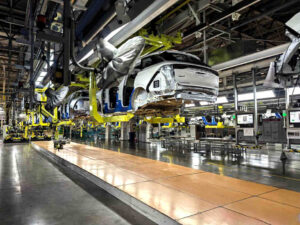
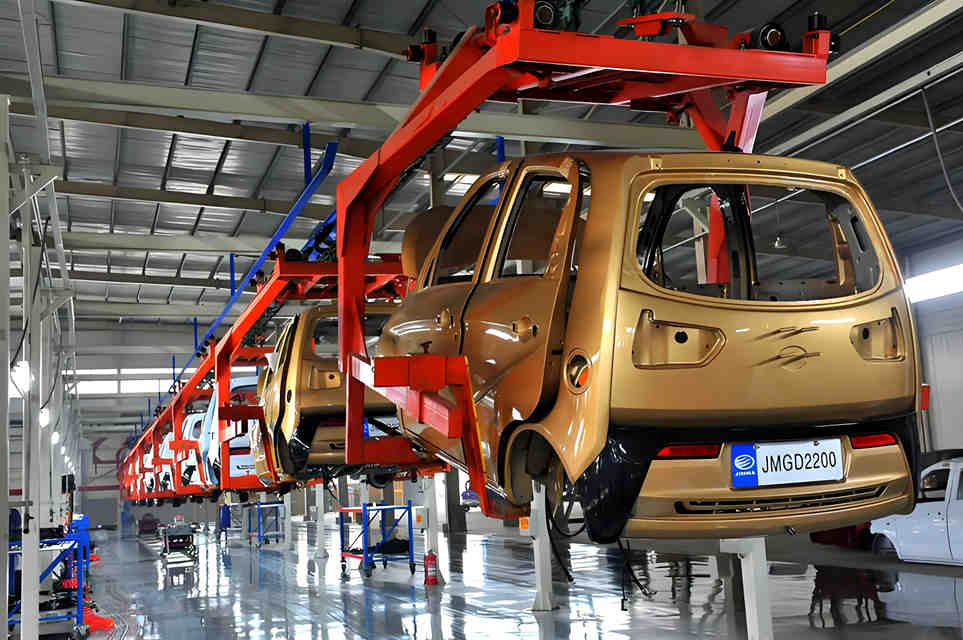
A range-extender EV sits between pure EV and PHEV. No mechanical drive to the wheels, but one additional assembly: the range extender. The starting point is a pure EV line, with a range extender marriage station inserted into the chassis section.
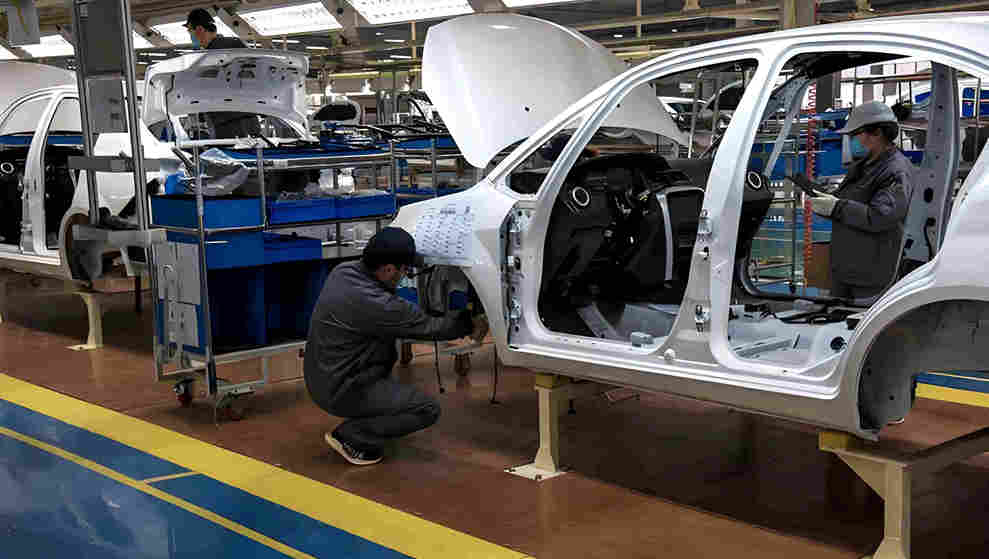
The range extender (engine + generator) arrives via AGV. A lift aligns it, pre-positioning is followed by automatic clamping. Since the marriage station is retrofitted into limited space, coolant lines use quick-connect fittings to save assembly time. The high-voltage harness area has anti-static flooring and insulated tools. Vibration near the range extender accelerates harness connector wear, so keeping debris out of connectors is a focus.
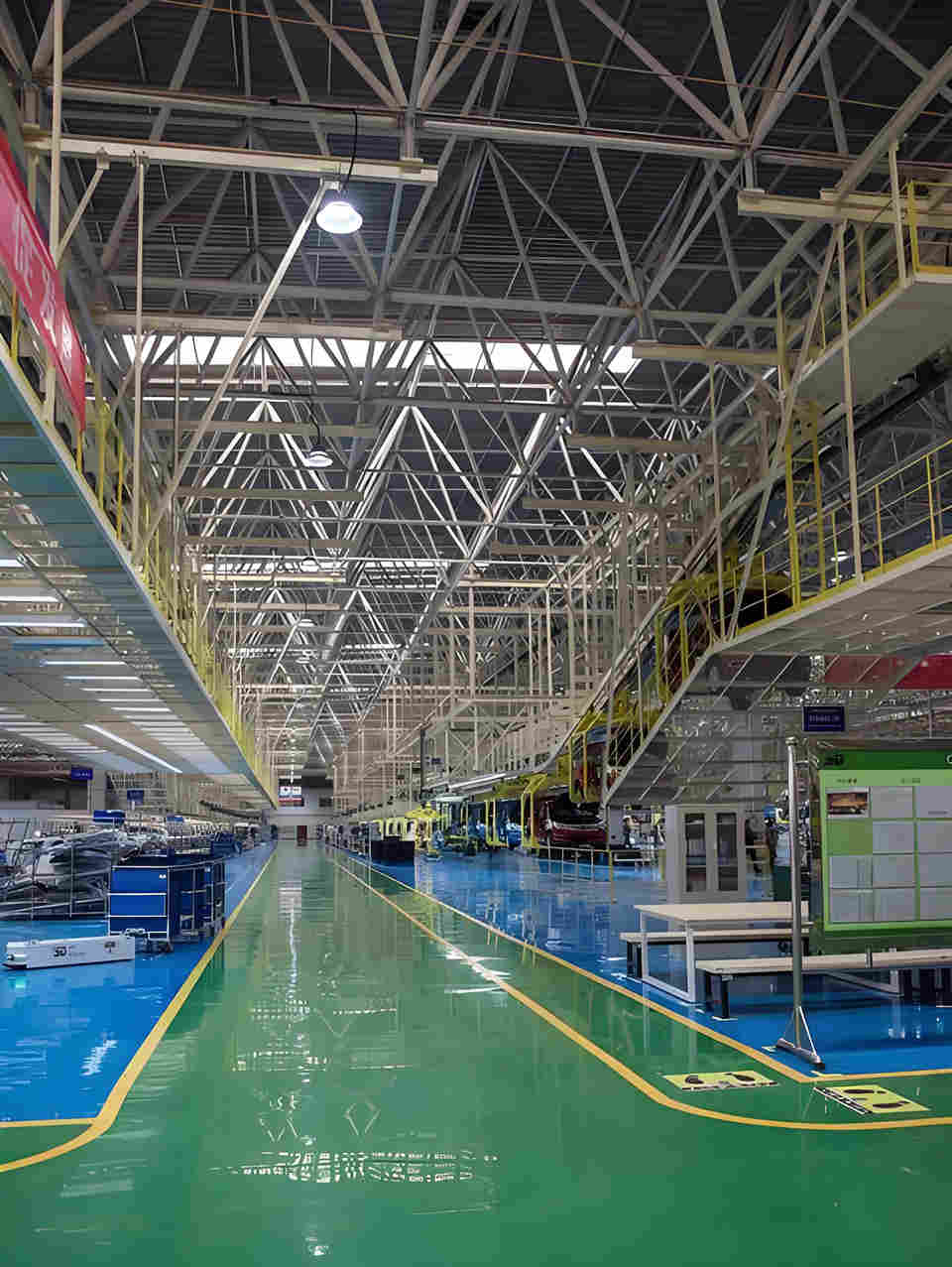
A test stand checks the range extender’s output voltage and frequency stability. For factories producing under 50,000 to 100,000 units per year, retrofitting an existing line is more economical than building a new one. Investment cost is approximately 60% of a new line.
Technical Specifications
Applicable Models: Range-extender electric vehicles (REEVs) — engine + generator without mechanical drive to wheels; starting from pure EV line platform with retrofitted marriage station.
Line Layout: Pure EV line with retrofitted range extender marriage station inserted into chassis section; range extender delivered via AGV; lift alignment followed by automatic clamping; quick-connect coolant fittings due to limited retrofit space; dedicated high-voltage harness zone with anti-static flooring and insulated tools.
Core Equipment: AGV for range extender delivery; lift station with pre-positioning and automatic clamping; quick-connect coolant line fittings; anti-static flooring and insulated tooling in HV harness zone; output voltage and frequency stability test stand for range extender testing.
Key Technical Features: Retrofit approach inserts a range extender marriage station into an existing pure EV line without major structural changes. Quick-connect fittings save assembly time in limited-space retrofit. Vibration near the range extender accelerates harness connector wear — keeping debris out of connectors is a key quality focus. Test stand checks generator output voltage and frequency stability.
Production Metrics: Annual capacity 50,000–100,000 units (below this threshold, retrofit is more economical); investment cost approximately 60% of a new dedicated line; range extender test stand for voltage and frequency validation.