What Happens When You Take the Cargo Bed Off the Main Line?
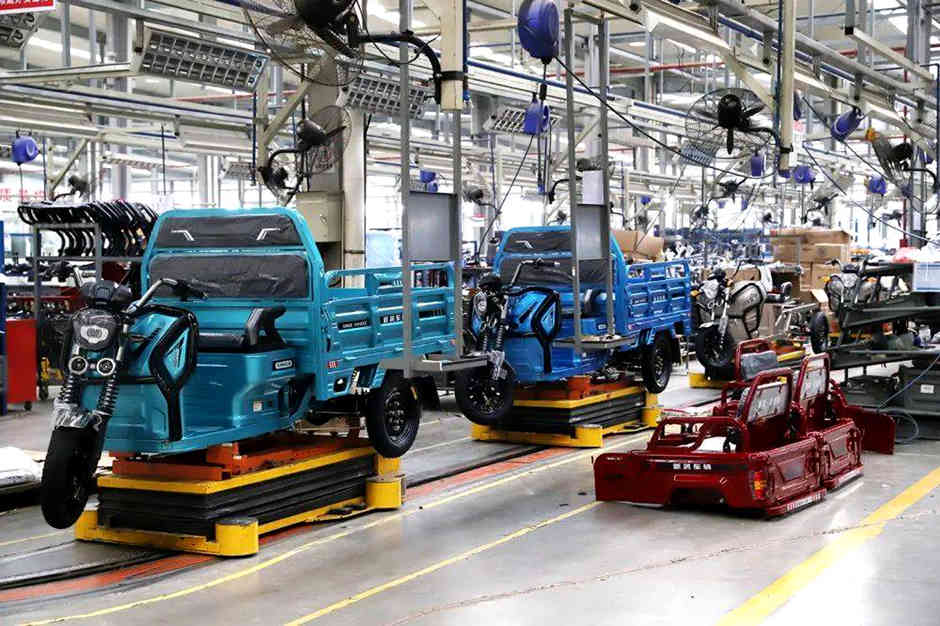
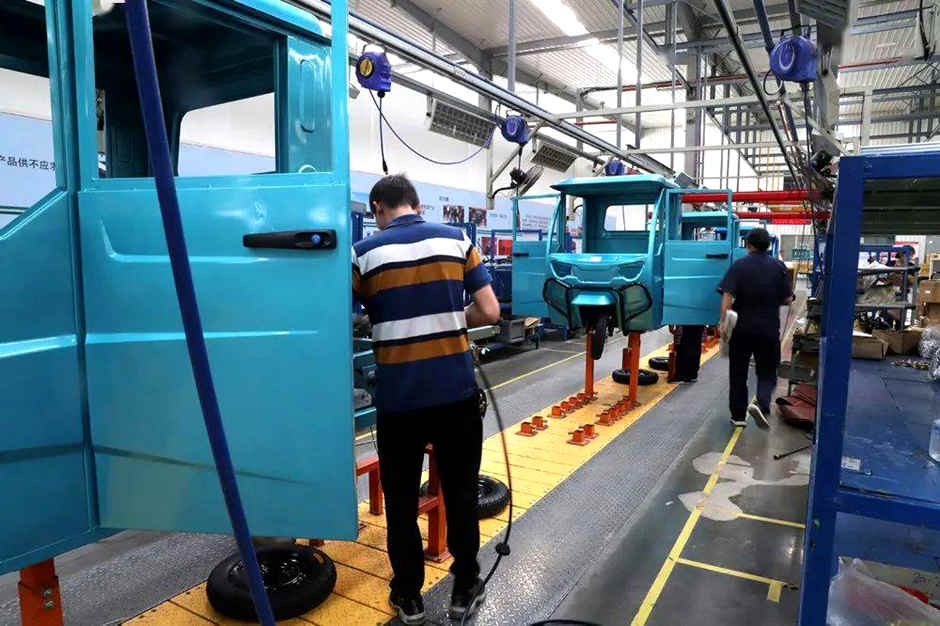
Removing cargo bed and cabin assembly from the main line and building a dedicated sub-line is the simplest way to improve main-line utilization. Welding, attachment installation, and painting are not urgent and do not need to consume main-line stations.
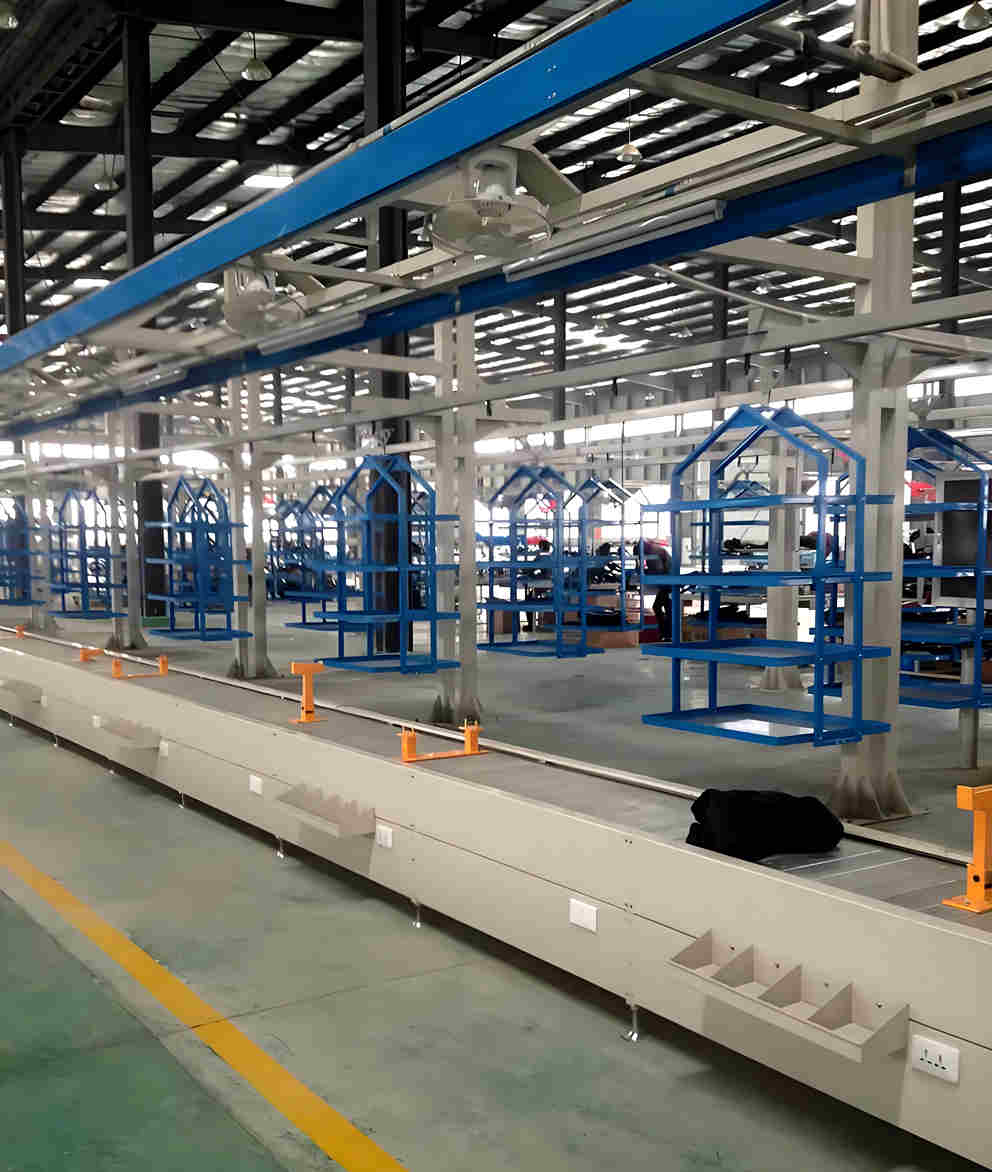
The sub-line runs parallel to the main line. Floor welding, side panel installation, reinforcement welding, painting, hardware fitting (latches, hinges, reflectors) — completed units transfer to the main line via a shuttle. The paint section uses infrared heating instead of natural drying, cutting drying time from hours to minutes.
A laser gauge checks cargo bed dimensions after painting. Rejects are removed on the sub-line before they reach the main line. A buffer zone holds 3 to 5 finished beds. The main line pulls them when needed. If the main line stops, the sub-line keeps running.
Removing the cargo bed from the main line reduces main-line length by 30 to 40%, along with one set of logistics complexity.
Technical Specifications
Applicable Models: Cargo beds and cabins for three-wheelers — welded steel structure with paint finish; compatible with multiple bed lengths and configurations derived from main-line vehicle types.
Line Layout: Parallel sub-line adjacent to main assembly line; process sequence — floor welding, side panel installation, reinforcement welding, infrared paint drying, hardware fitting (latches, hinges, reflectors); completed units transferred to main line via shuttle; buffer zone holds 3–5 finished units.
Core Equipment: Welding fixture with locating pins for bed dimension control; infrared heating system for paint drying (reduces drying time from hours to minutes); roller conveyor for work-in-progress movement; laser gauge for post-paint dimensional inspection; shuttle transfer mechanism to main line.
Key Technical Features: Removing cargo bed assembly from main line reduces main-line length by 30–40%. Infrared paint drying cuts drying time from hours to minutes vs natural drying. Laser gauge inspects dimensions after painting — rejects removed on the sub-line before reaching main line, preventing main-line disruption. Sub-line continues operation even if main line stops, acting as a production buffer.
Production Metrics: Buffer capacity 3–5 finished units; main line shortened by 30–40%; independent operation from main line; rejects intercepted pre-transfer to main line; paint drying cycle reduced from hours to minutes via infrared.